About
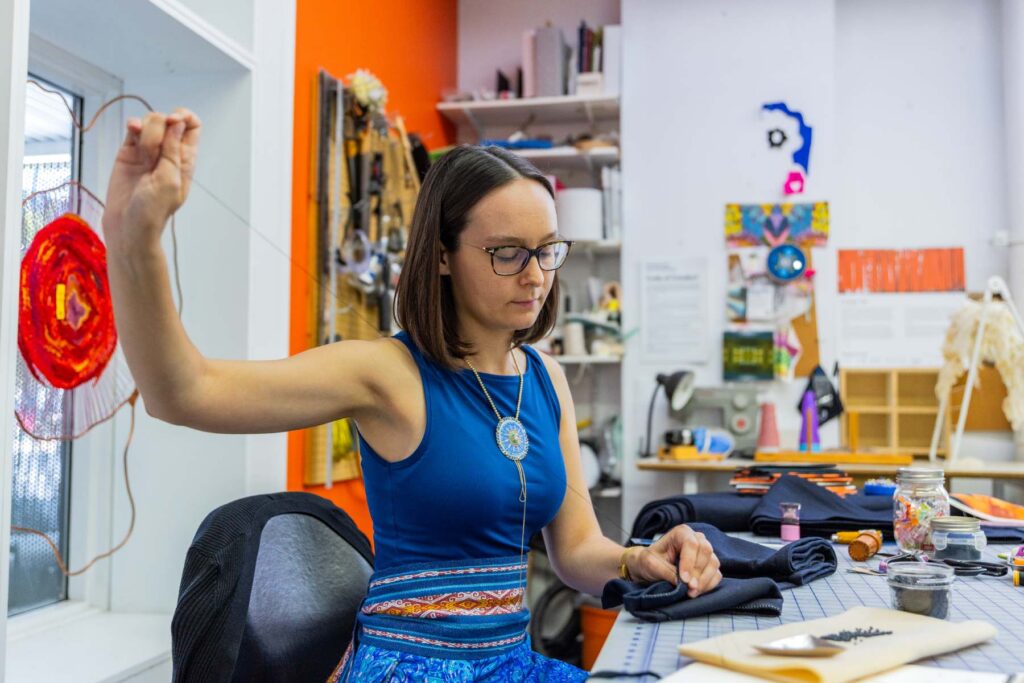
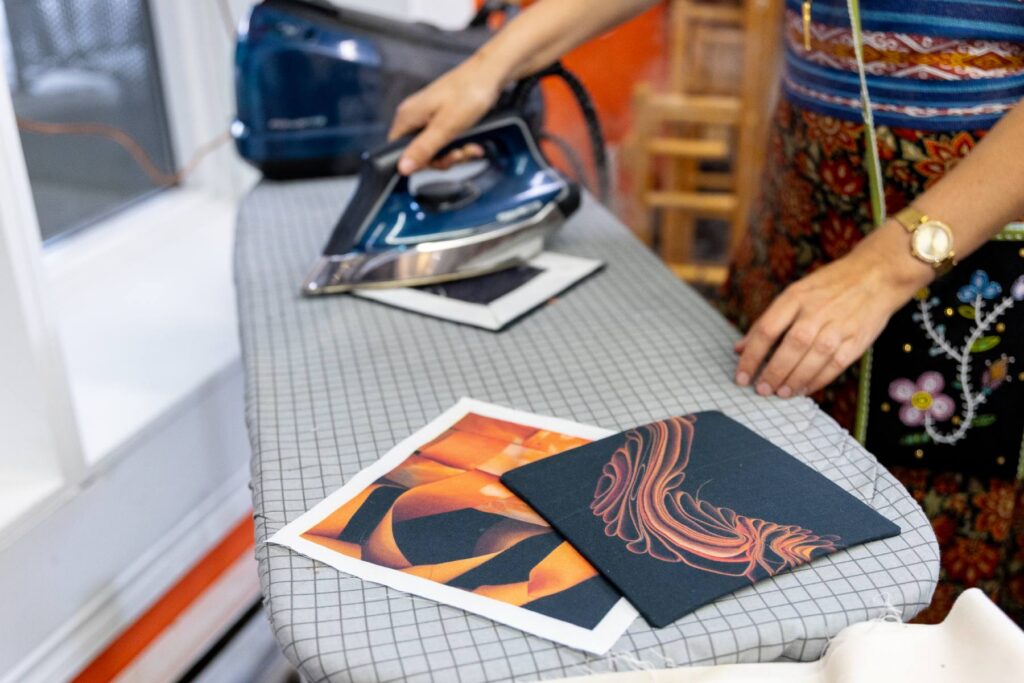
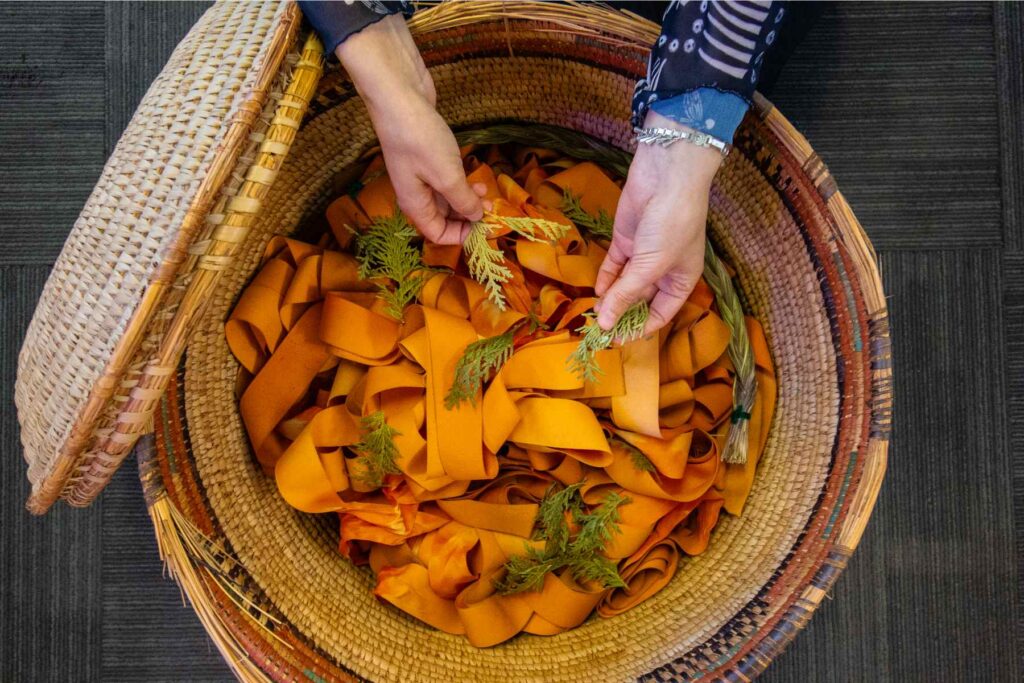
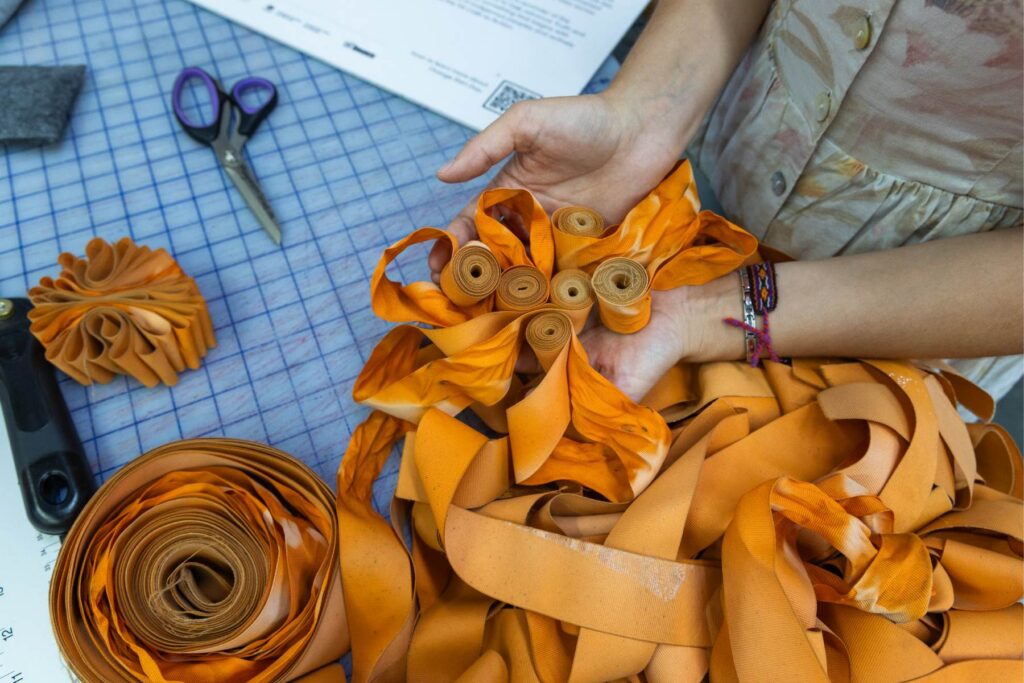
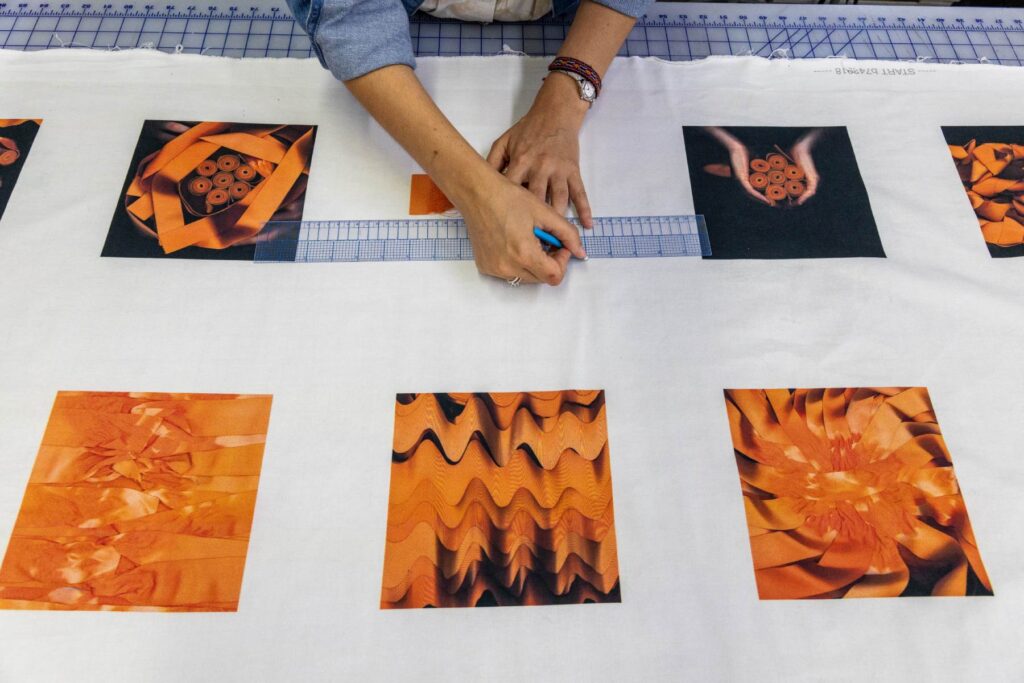
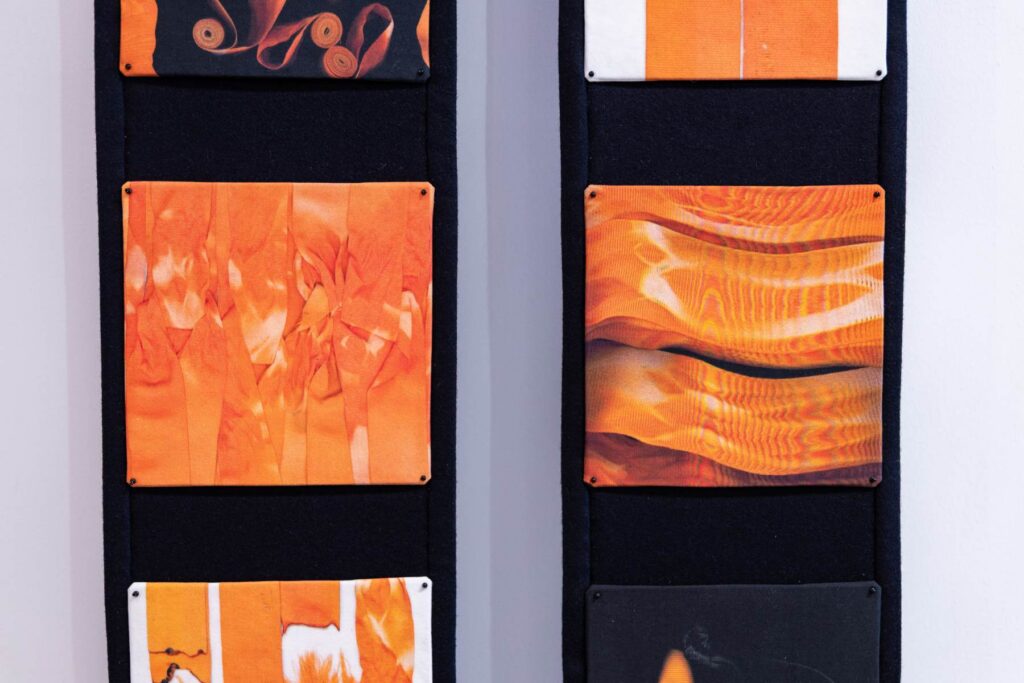
Ribbons of (Re)Conciliation holds space for mourning the lives of Indigenous children that the Canadian state deemed ungrievable well before the establishment of residential “schools.” Highlighting the work that lies ahead, and the ongoing recognition and responsibility that comes with living on these lands, this work uses mixed methods of textile re-creation, repurposing materials to make what feels incomprehensibly complex visible.
Through posing the question “How do we (re)concile?”, the work visually articulates the 94 Calls to Action and Canada’s progress on each. Emphasizing the beauty of Indigenous cultures, Ribbons of (Re)Conciliation welcomes people to pause, listen, learn and reflect so that we can intentionally move forward in dismantling colonial injustices — one call to action at a time.
About Marissa Magneson
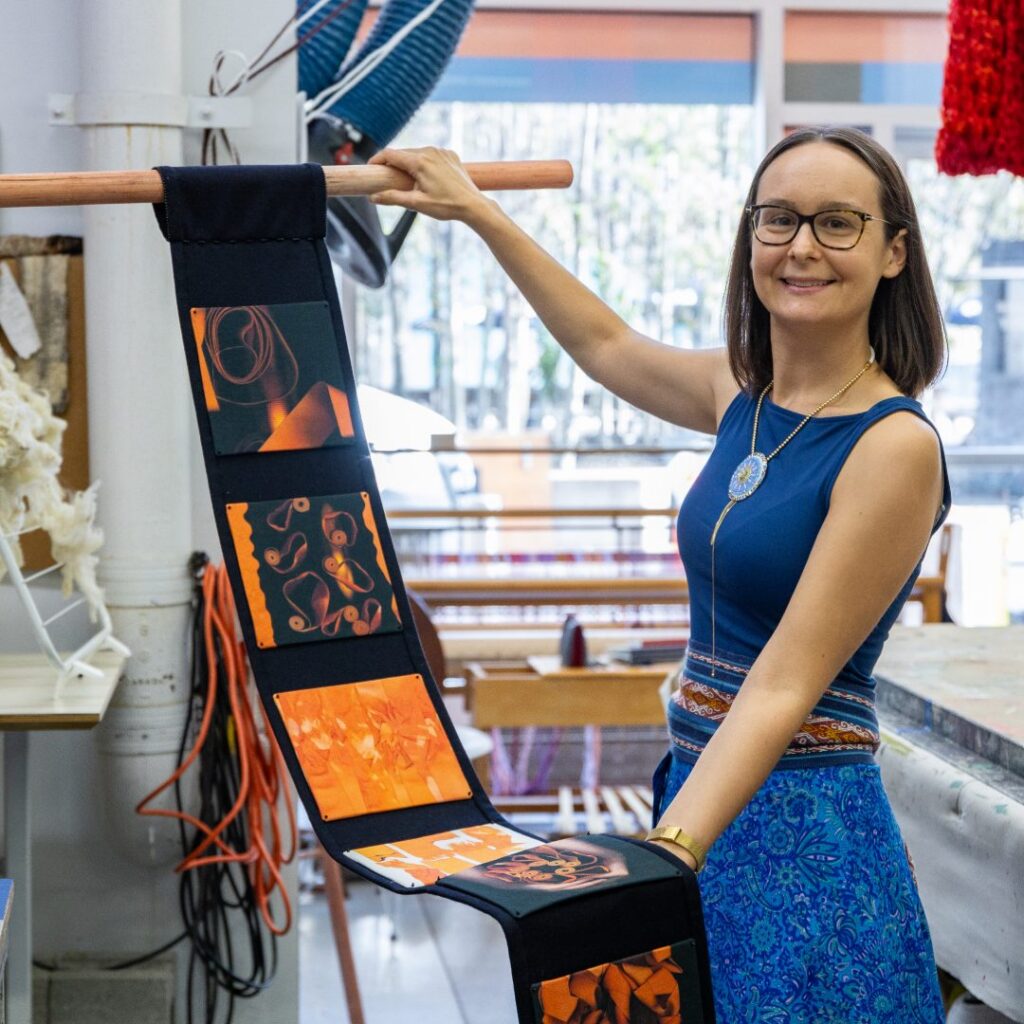
Marissa Magneson is an interdisciplinary artist, educator and creative scholar whose practice centres beadwork, visual storytelling, archival research and material-led creation.
Through creating in dialogue with ancestral Métis belongings, the land and textile-based materials, she explores beadwork as a form of cultural reclamation, Indigenous pedagogy and relational making. Grounded in her identity as a Cree-Métis and Norwegian-Canadian woman, Magneson’s work invites conversations, curiosity and learning, while considering how materials carry stories across generations and connect personal and collective histories across time.
Magneson is currently a Ph.D. candidate at York University in the Faculty of Education researching “Beadwork as Pedagogy” while creating educational bundles for use in and beyond the classroom. Her previous education includes a Master’s in Canadian and Indigenous Studies with a focus on beadwork as visual storytelling and a Bachelor of Fine Arts.
From 2018–2022, Magneson worked as Harbourfront Centre’s Indigenous Resource Coordinator, where she contributed to the development of the Centre’s Orange Shirt Day programming. In 2026, Marissa undertook an Artist-in-Residency in Harbourfront Centre’s Textile Studio, where she began creating in dialogue with materials from the 2021 Orange Ribbons project installed in the North Orchard. Reflecting on Truth and (Re)conciliation through acts of making, memory, and collective care, this project will unfold through to September 2027.
Stories from the Ribbons

Call to Action #62 invites Canadians to collaborate with Indigenous peoples to support, develop and implement age-appropriate curriculum on residential schools, Treaties and Indigenous peoples, knowledges and cultures for K-12, post-secondary institutions and Indigenous schools. This includes the establishment of senior-level positions in government to support Indigenous content in education as well as educating teachers on how to appropriately integrate Indigenous knowledges and pedagogies into their classrooms.
Ribbons of (Re)Conciliation #62 was created in collaboration with Marissa and her mom, Lois. Woven together, the ribbons showcase the individual time spent learning marked by the sun-bleached patterning, forming a new pattern of interconnected support. Loose ends mark our ongoing journey of learning, unlearning and implementing.
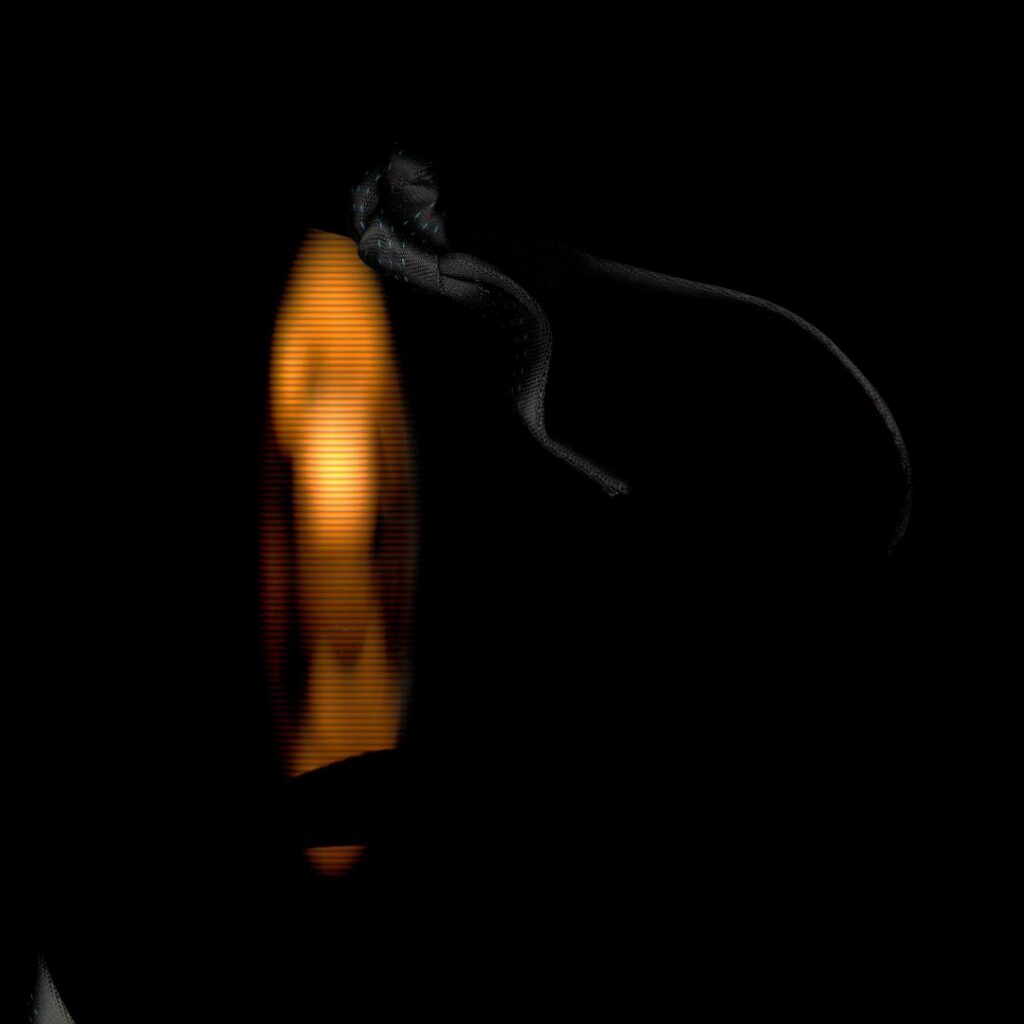
Call to Action #47 asks Canadians to repudiate concepts used to justify European sovereignty over Indigenous peoples and lands such as the Doctrine of Discovery and terra nullius.
Ribbons of (Re)Conciliation #47 highlights that Indigenous peoples have always been here since time immemorial. We cared for and lived in relation with the land in ways that colonizers did not understand nor respect. Terra Nullius, a Latin expression meaning “nobody’s land,” was used alongside the Doctrine of Discovery to justify the colonial project of Canada, sharing that nobody lived on Turtle Island prior to European arrival. This is not true. Recognizing Truth before Reconciliation, these concepts must be repudiated by Canadians.
Resources
The resources below offer opportunities to learn more about the experiences of Indigenous Peoples, the history and intergenerational impacts of residential schools and the work of Truth and Reconciliation. Whether you are beginning your learning journey or seeking to deepen your understanding, we encourage you to explore these materials with openness, care and a commitment to continued learning and action.
Truth and Reconciliation Commission of Canada: Calls to Action
National Gathering on Unmarked Burials: Indigenous-led Reparations Framework
Where are We At? Updates on the TRC’s Progress
Missing and Murdered Indigenous Women, Girls, and 2SLGBTQQIA+ National Action Plan
Days & Times
Tickets
No tickets required
Venue
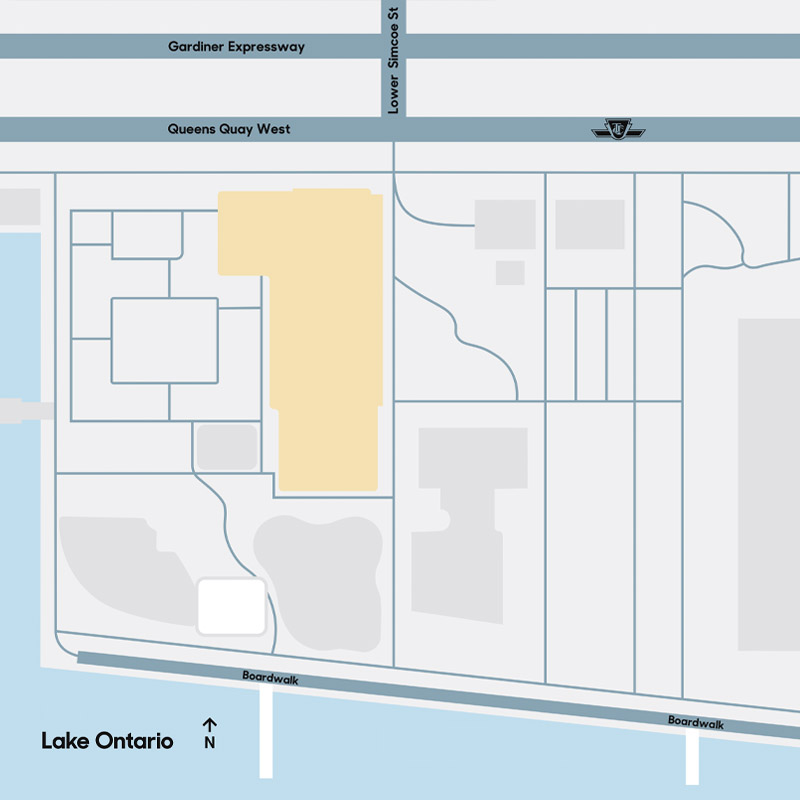
235 Queens Quay West
Toronto, ON